

When I was in college, my (much) younger brother started playing recreational soccer. I drove home one weekend to watch him play, but because I was twenty and terrible and probably hung over, I arrived quite a bit after kickoff.
“What’s the score?” I asked one of the moms.
“Oh, we don’t keep score,” she told me, patently horrified. “It’s not about winning, it’s about teamwork and having fun.”
“Right,” I nodded. “Sure.”
“Thirteen-to-two!” my brother shouted the second the car doors were closed. “We kicked their butts!”
It turned out, the kids kept score all right—meticulously. So, too, did many of the parents, even though they’d have sprinted naked across the soccer field before admitting it.
That was a turning point of sorts. We spent the next forty years dismantling scoreboards, softening grades, soothing hurt feelings, and pretending effort and achievement were the same thing. We handed out Capri Suns and trophies to every kid who showed up to play. “As long as you try your hardest, you’re a winner,” we chirped. “Every child is extraordinary.” “Failing grades damage self-esteem.” “Gold stars all around!”

So it’s weird and shocking to see Harvard—a university that filters students through one of the most brutally competitive admissions processes in America—suddenly and violently trying to overcorrect. To address what the Ivy League staple is now calling “grade inflation,” they’re installing caps on scholastic excellence. Specifically, beginning in fall 2027, no more than 20% of students in any one class can earn an A—regardless of their actual performance.
HARVARD: “Yeah, we accidentally gave out too many A’s, so instead of grading accurately or fairly, we will now mathematically ensure some deserving people cannot receive one. Sorry for any inconvenience.”
Apparently we skipped directly from “everyone gets a trophy” to “actually only a fixed percentage of you are allowed to be excellent.” Hunger Games rules. May the odds be ever in your favor.
Harvard’s decision to cap collegiate gold stars at 20% came after a report revealed that more than 60% of grades awarded to students were A’s. Which, admittedly, is a little ridiculous. If everyone is getting an A, the grade itself stops meaning much. Fair enough.
But there are really only three possible explanations for the math here: Either Harvard is admitting an unusually large concentration of genuinely exceptional students, the coursework is no longer particularly challenging, or professors have become too lenient in their grading. Those are the only real options. But instead of addressing any of those highly complex possibilities directly, Harvard chose a fourth, spectacularly counterproductive strategy: withholding recognition.
One has to wonder: how will these precious and rare academic honors be distributed? If fifty students in a class of one hundred answer every exam question perfectly, does the professor just start drawing names out of a tote bag? Are A’s the new class guinea pigs, where kids have to take turns taking one home? Do students who got straight A’s in previous semesters have to give some back? Can you imagine seventy students storming every professor’s office after every grading period demanding to know why their objectively perfect work didn’t make the cut?
Yale—Harvard’s Ivy League arch-nemesis whose grade distribution looks suspiciously similar—is now considering adopting the grade cap as well. Not because it’s a swell idea or anything—but because if Harvard gets stingy with their top honors and Yale is still doling them out like Costco free samples, a Harvard A will invariably carry more weight than an A from Yale.
HARVARD: “We’re jumping off a bridge.”
YALE: “Dammit. Put on your monogrammed life vests, everyone.”
Here’s a crazy thought: If work deserves an A, give it an A. If it deserves a B, give it a B. If the fourth-year economics final could be aced by any elementary school kid who’s ever run a lemonade stand, maybe it’s time to raise the intellectual bar. When a student turns in a paper that’s got ChatGPT’s fingerprints all over it, perhaps do not reward it with a perfect score and a smiley face.
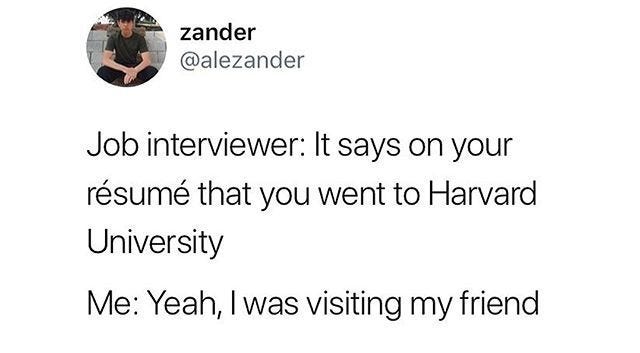
How is it that “make the coursework more challenging” or “quit handing out A’s like glow sticks at a rave” never entered the chat? Instead, Harvard has chosen the airline-upgrade model of scholastic achievement. “Congratulations! Your work was outstanding, truly. Unfortunately, this semester’s first place cabin is already full. Please enjoy this complimentary B+ and our sincere regards.”
The university insists this move will “strengthen the academic culture of Harvard.” Really? Because under this system, grades won’t reflect what any one student knows—they’ll reflect how many other people also knew it. And nothing says “healthy scholarly environment” quite like forcing hypercompetitive Ivy League overachievers to battle one another for a limited supply of academic validation.

Instead of encouraging curiosity, risk-taking, or genuine learning, the policy practically guarantees anxiety, paranoia, bickering, backstabbing, strategic course-shopping, and students treating their classmates like contestants standing between them and the final rose on The Bachelor.
Imagine applying this logic literally any other situation in the universe. A mother with five children announcing that hugs have gotten a little perfunctory, so only two kids per day will now receive affection regardless of circumstances or behavior. A track coach whose team consistently sweeps regional meets starts making star sprinters carry jugs of milk when they run to level the playing field. A restaurant decides ingredients have gotten too expensive so it starts charging every fourth table for water. The whole thing feels less like academic reform and more like Soviet bread rationing in a tweed blazer.
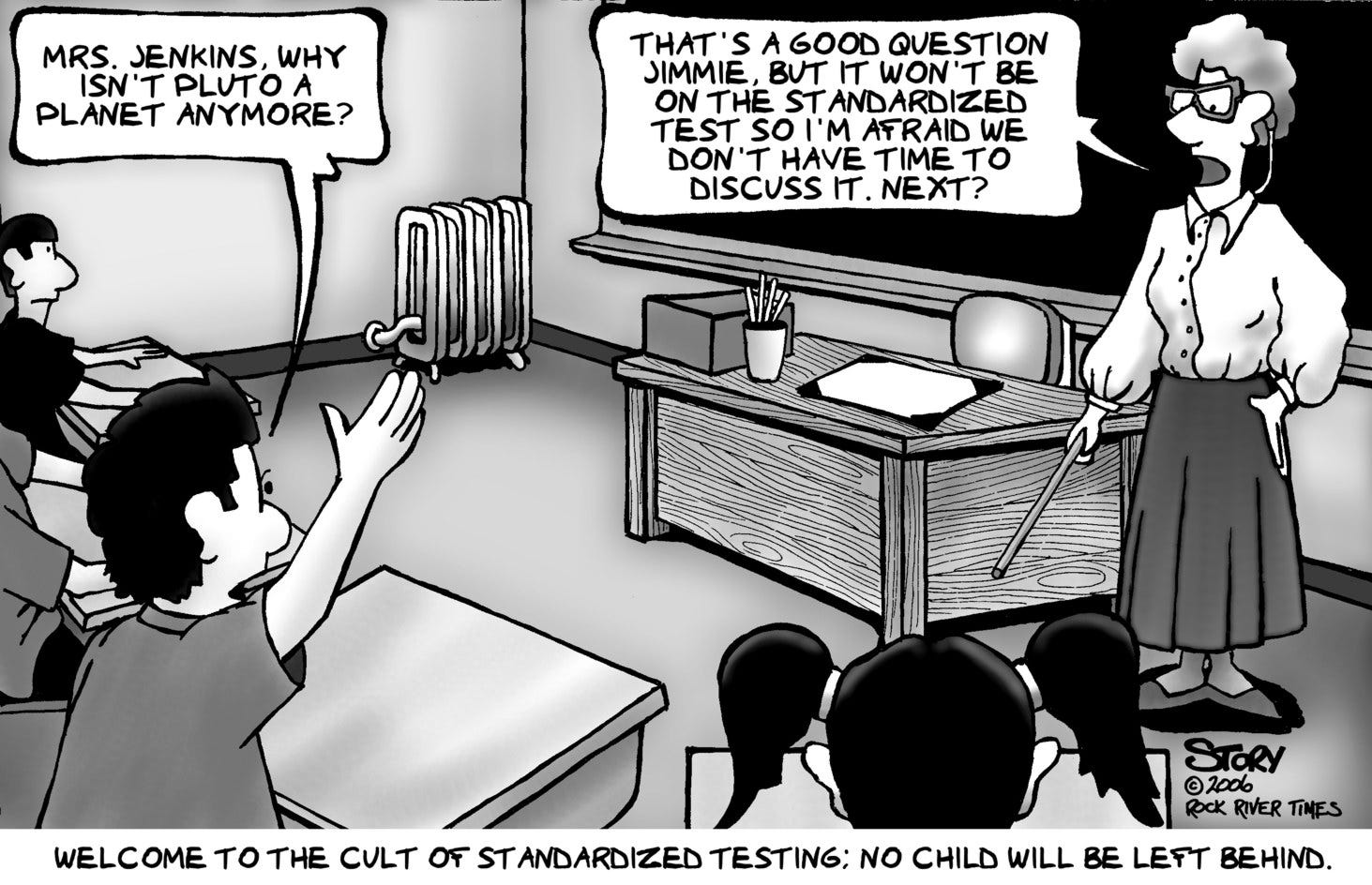
It’s an optics problem for the university, whose elitism has been its defining characteristic since before America was even a country. Because for nearly 400 years, just getting into Hahvahd meant you were exceptional. Now, suddenly, the school is essentially saying, “Not everyone can be special anymore, peasants.”
Unsurprisingly, students are furious. Some have launched petitions condemning the policy as “racist” (of course), arguing that grading caps will unfairly burden minority, first-generation, and low-income students. Which is a fascinating concern for Harvard of all places to suddenly prioritize—an institution that has functioned for centuries as an elite finishing school for wealthy legacy families whose names are already engraved on half the campus buildings.
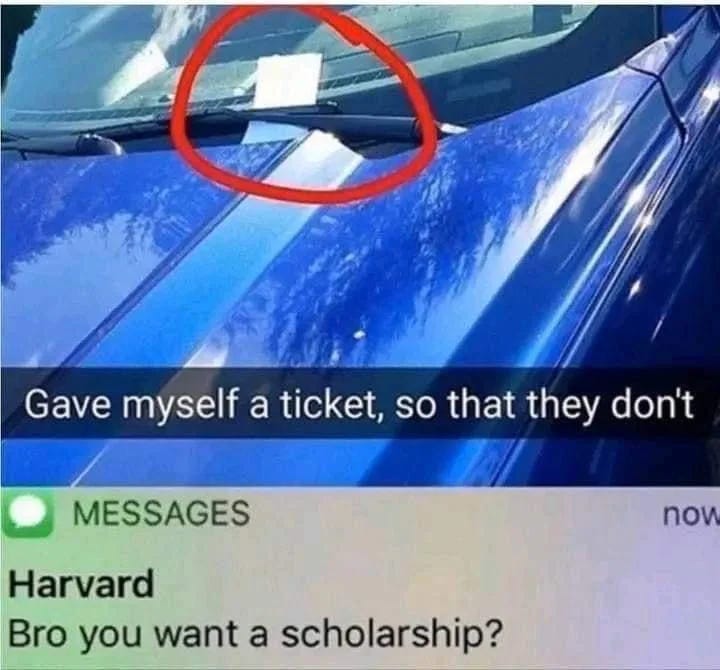
Because for generations, Harvard has been a model of selective exclusion. Mediocre prep-school heirs coast through admissions while objectively smarter applicants get tossed aside because their grandfathers tragically failed to own a shipping empire or donate a library.
And maybe that’s the real irony here. Harvard has always marketed itself as a meritocratic bastion of elite intellectual excellence while quietly reserving enormous advantages for the well-connected, the well-funded, and the genetically adjacent to old money. The problem was never too much excellence. The problem was always how selectively the institution chose to define it.
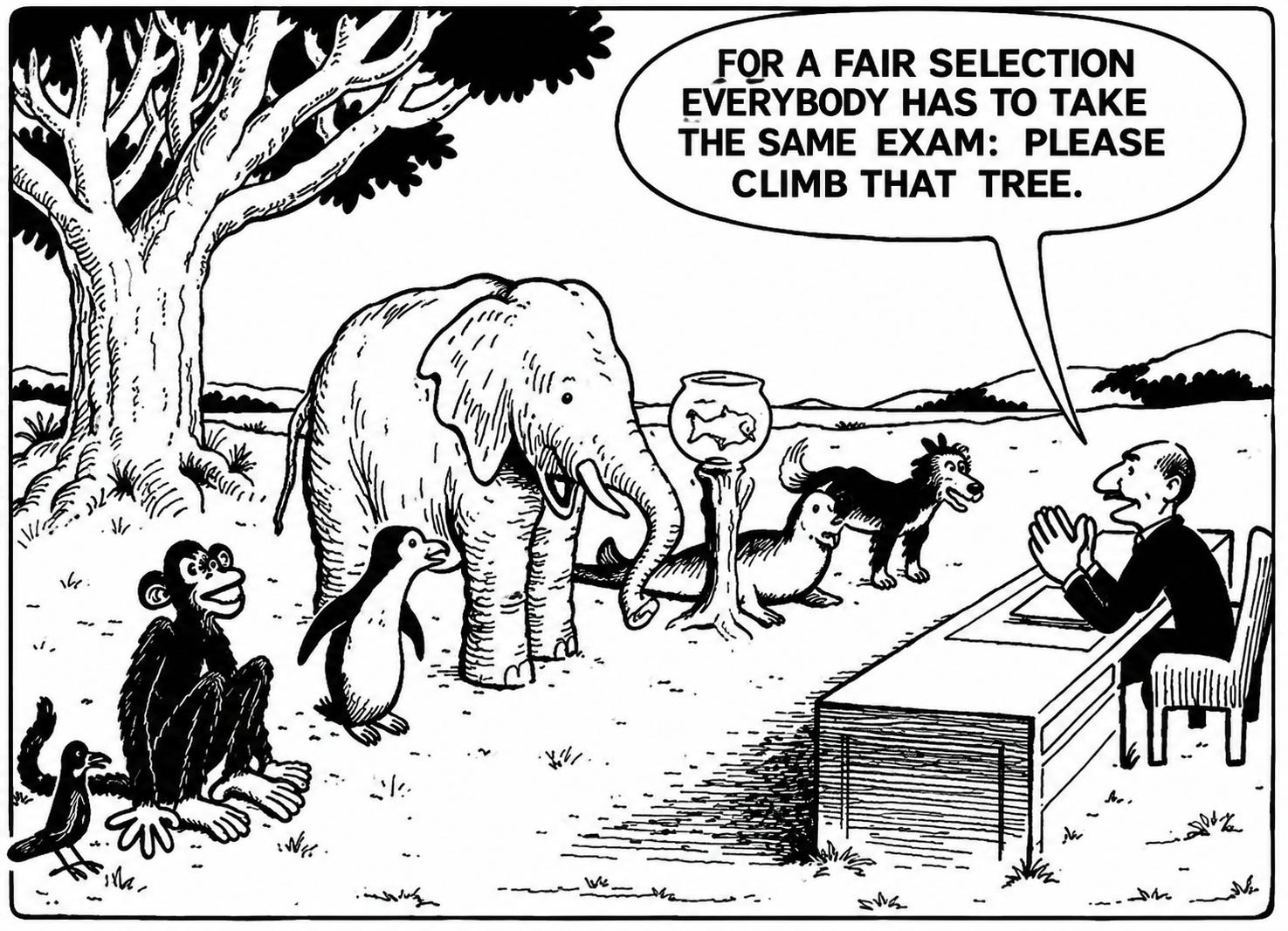
Now, after decades of inflating grades until “superior” became basically meaningless, Harvard’s answer is not to restore rigor or reward genuine achievement honestly. It’s to artificially limit recognition itself—as though excellence is a luxury good that needs to remain scarce in order to feel prestigious. Which, come to think of it, may actually be the most Harvard solution imaginable.

My brilliant granddaughter (yeah, I'm biased, but she is objectively exceptional) didn't even consider applying to Harvard or Yale. And I'm glad. She was accepted to her first-choice school with a full ride, 4-year scholarship. Would she have gotten that from Harvard or Yale? Who knows. I'm just glad that she didn't even consider them. They represent all that is wrong with academia today and are bastions of left-wing politics. The world would be better off if they both closed down.
Make Blue Books Great Again! No laptops, no smartphones, just a pencil and a blue book. Good luck kids! And who cares if the TAs grading those blue books will be annoyed, that’s just a bonus!